Colors for Kids: A Simple Home Guide for Indian Parents
Colors for kids are one of the very first big learning wins in early childhood. From the moment a toddler points at a red ball or a yellow banana, colour recognition has already begun. Yet many Indian parents feel unsure about how to teach colours the right way. Push too many at once, and kids get confused. Skip play entirely, and colour learning becomes boring flashcard drills. The good news is, colours for kids grow best through play, real-world spotting, and short daily conversation, not pressure.
That's why we design every book and course at Hashtag Education around joyful, screen-free learning that fits Indian homes.
Watch Hashtag Education on YouTube
Free daily preschool videos, rhymes, stories, and screen-smart activity tips for Indian kids.
👉 Subscribe on YouTube
Color Names for Kids: Where to Start
Color names for kids don't need to be taught all at once. Start with the six or seven that show up most often in real life.
The first colours to teach:
- Red
- Yellow
- Blue
- Green
- Orange
- Pink
- White and Black
Once your child is comfortable with these, add:
- Purple
- Brown
- Grey
- Sky Blue
- Golden
Skip fancy shades like maroon, teal, or beige at this age. Kids don't need "colour vocabulary" first. They need confidence with the basics.
For more early learning ideas, see our guide on how to teach numbers 1 to 20 to kids.
👉 Shop now: https://amzn.to/4fjyuLm
Color Recognition Activities for Preschoolers
Color recognition activities for preschoolers work best when they feel like games, not lessons. At 3 or 4, kids learn colours faster from real objects than from any chart.
Easy activities to try at home:
- Colour hunt, "spot everything red in the living room"
- Fruit sorting, red apples in one bowl, yellow bananas in another
- Crayon match, match crayon to picture
- Water play, add food colour to water for magic mixing
- Wardrobe game, "which shirt is blue today?"
- Traffic light play, red for stop, green for go
- Sticker sorting by colour
- Nature walk, spot green leaves, red flowers, brown branches
Keep sessions short. Ten minutes is enough at this age. Rotate two or three games a week.
How to Teach Colors to Preschoolers Without Pressure
How to teach colors to preschoolers comes down to short, joyful bursts. Long study sessions kill curiosity at this age.
A gentle weekly rhythm:
- Monday, spot one colour in the house
- Tuesday, one colour matching game
- Wednesday, one crayon colouring session
- Thursday, water play with two colours
- Friday, nature walk colour spotting
- Saturday, colour of the day, everyone wears one colour
- Sunday, storybook reading with lots of pictures
By age 4, most kids can recognise 8 to 10 colours confidently through this kind of play. If your child is slower, don't panic. Kids grow in bursts. Keep it warm and light.
For more play-based ideas, see our play based learning activities for preschoolers.
Fun Colour Games That Kids Love
Games make colours stick like nothing else at this age.
Quick ones to keep in your parenting toolkit:
- I spy with colours, "I spy something blue"
- Coloured stacking cups, sort tallest to shortest
- Playdough colour mixing, discover new shades together
- Simon says, "touch something yellow"
- Colour storytime, read books with strong colour themes
- Crayon race, colour a picture together, one crayon at a time
- Chalk drawing on the balcony floor
Kids often surprise parents by naming a colour correctly out of nowhere. That's when you know it's clicked, not from a worksheet, but from a game they loved.
Colors for kids don't need flashcards, apps, or expensive kits. They need a warm parent, small daily moments, and lots of play. Read together. Cook together. Walk together. Colour together. Do this consistently for a few months, and colour learning happens quietly, joyfully, and forever.
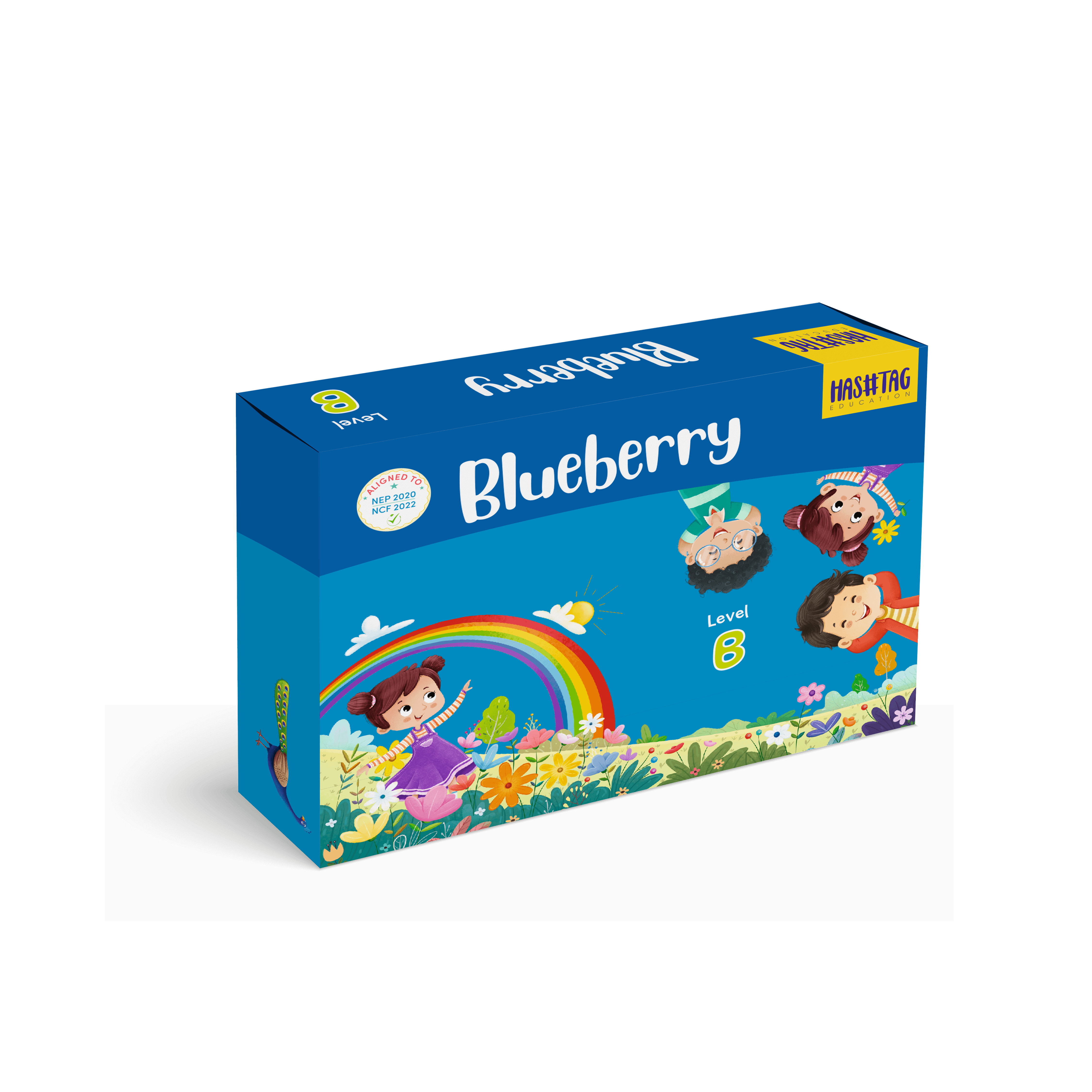
👉 Explore our Dino and Blueberry activity book sets and give your child a joyful, screen-smart start to early learning today.