Counting, Shapes and Comparison Activities for Kids: A Simple Math Guide for Parents
Counting shapes and comparison activities for kids are some of the strongest ways to build early math skills at home. Long before formal maths class, children learn best through hands-on play. They count fingers, spot circles in the ceiling fan, compare who has more biscuits, and slowly build the number sense that carries them through school. The right activities at ages 3 to 6 make math feel joyful, not scary. Done well, counting shapes and comparison activities for kids grow into strong problem-solving skills that last a lifetime.
That's exactly how we design math learning at Hashtag Education, slow, playful, and rooted in how Indian kids really grow.
Early Math Skills for Preschoolers
Early math skills for preschoolers cover more than just numbers. At this age, math shows up in patterns, shapes, sizes, and daily comparisons.
Core skills to build between ages 3 and 6:
- Counting, both aloud and with meaning (up to 20 first, then 100)
- Number recognition, seeing "5" and knowing it stands for five things
- Shape spotting, circles, squares, triangles, and rectangles
- Comparison, more, less, taller, shorter, heavier, lighter
- Sorting, by colour, size, shape, or type
- Pattern building, red-blue-red-blue and beyond
- Simple addition and subtraction, with real objects
None of this needs worksheets. Real objects work better than any book at this age.
For step-by-step help, see our guide on how to teach numbers 1 to 10 to kids.
Counting, Shapes and Comparison Activities to Try at Home
Counting shapes and comparison activities for kids work best when they feel like play. A few easy ones to add to your week:
- Fruit counting, "how many bananas today?"
- Shape hunt, spot circles, squares, and triangles around the house
- Sorting buttons or coins, by colour, size, or shape
- Size comparison, "which cup is bigger, red or blue?"
- Weight play, hold two objects, ask which is heavier
- Building blocks, stack, count, and compare heights
- Pattern lines, red-blue-red-blue with beads or crayons
- Snack math, "you have 4 biscuits, I have 2, who has more?"
Keep sessions short. 15 to 20 minutes is more than enough at this age.
For more hands-on math ideas, see our brain development games for toddlers.
If you found this helpful, explore our online courses!
Nurture curiosity, creativity, and confidence through interactive learning.
👉 Start Learning Now: https://learning.hashtageducation.in/#Go-Learn
How to Teach Comparison and Sorting to Preschoolers
How to teach comparison and sorting to preschoolers is easier than most parents expect. Kids already do it naturally, they just need gentle guiding.
Simple ways to build the skill:
- Start with two objects, not five, at first
- Use real language, more, less, bigger, smaller
- Sort laundry together, by colour or size
- Group toys, animals in one basket, vehicles in another
- Compare siblings' snacks, "who has more grapes?"
- Use size words in stories, "the big bear and the small bear"
- Line up objects tallest to shortest, or lightest to heaviest
Avoid pushing "correct" answers too early. At this age, exploring matters more than getting it right.
Build focus, STEM skills, and hand-eye coordination with this fun DIY Mini Golf game for kids.
Perfect screen-free family fun.
👉 Shop now: https://amzn.to/49vgdqt
Hashtag Education Math's Practice Workbook
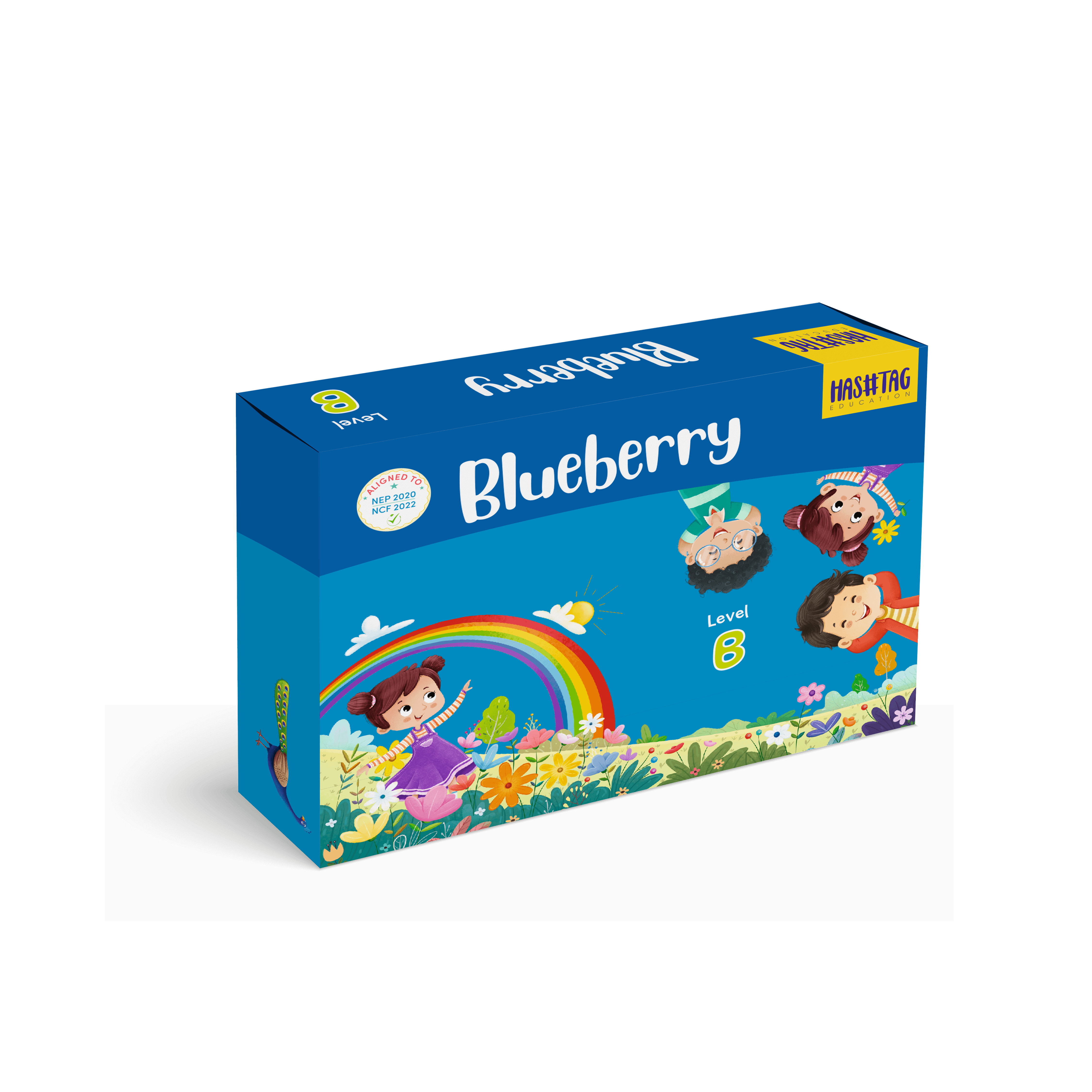
Hashtag Education Math's Practice Workbook is built for Indian preschoolers, with counting, shapes, and comparison activities layered gently across each level.
What's inside:
- Short daily activities, 5 to 10 minutes each
- NEP 2020-aligned content, tied to the Foundational Stage
- Bright, uncluttered pages with big illustrations
- Bilingual instructions for parents in English and Hindi
- Real-world themes, fruits, animals, transport, and family
- Progress from tracing to counting to simple addition
The workbook pairs beautifully with everyday play at home. Kids get structure on the page, then apply the same skill during snack time, playtime, or a walk to the market.
Counting shapes and comparison activities for kids work best when they feel like discovery, not drilling. Keep it short. Keep it playful. Trust the pace. The math will grow on its own, and so will your child's love for numbers.
👉 Explore our Math's Practice Workbook and activity sets and give your child a joyful, screen-smart start to early math today.
Follow Hashtag Education for weekly parenting guides, NEP-aligned learning tips, and screen-smart ideas for Indian kids.