Grandparents Teaching Preschoolers India Through Everyday Learning
Grandparents teaching preschoolers India is one of the most valuable yet often overlooked parts of early childhood education. In many Indian homes, dada-dadi and nana-nani naturally teach children through stories, songs, cooking, prayers, and daily conversations. A dadi telling Panchatantra stories builds vocabulary and imagination, while a nana counting vegetables at the market teaches maths and observation. These simple everyday moments create meaningful learning experiences that support language, confidence, emotional growth, and cultural connection.
Research also shows that children with active grandparent involvement develop stronger emotional security, better communication skills, and deeper cultural understanding. The challenge is not whether grandparents can teach; it is how families can combine traditional wisdom with modern learning approaches without conflict or pressure.

Why Grandparent Involvement Matters
Research from Harvard's Center on the Developing Child identifies serve-and-return interaction, responsive, back-and-forth communication between a child and a caring adult, as one of the most important factors in early brain development. Grandparents often have more patience, time, and emotional availability for these interactions than busy working parents.
A 2023 study published in the Journal of Indian Pediatrics found that children with active grandparent involvement in learning activities showed stronger vocabulary development and better emotional regulation compared to children without regular grandparent interaction.
8 Ways to Involve Grandparents Effectively
1. Story Time in the Mother Tongue
Grandparents are the keepers of oral storytelling traditions. Encourage them to tell stories like Akbar-Birbal, Tenali Raman, Panchatantra, and local folk tales in the family’s home language. This builds language skills, imagination, and cultural identity.
2. Cooking Together
Cooking teaches counting, sequencing, measuring, and motor skills. A nani making rotis with a grandchild is also teaching patience, observation, and practical life learning.
3. Nature Walks and Observation
Grandparents often know far more about plants, birds, seasons, and local environments than younger urban parents. Simple walks with Dada can become rich learning sessions about the environment.
Encourage creativity, problem-solving, and STEM learning with this exciting Airplanes Launcher Toy for kids.
Build, launch, and enjoy hours of hands-on, screen-free fun together. Perfect for curious young minds and active playtime.
👉 Shop now: https://amzn.to/4uGPcc0
4. Rhymes and Songs
Traditional songs, bhajans, and folk rhymes build rhythm awareness and listening skills. These activities strengthen phonological awareness, an important foundation for reading.
5. Shared Workbook Time
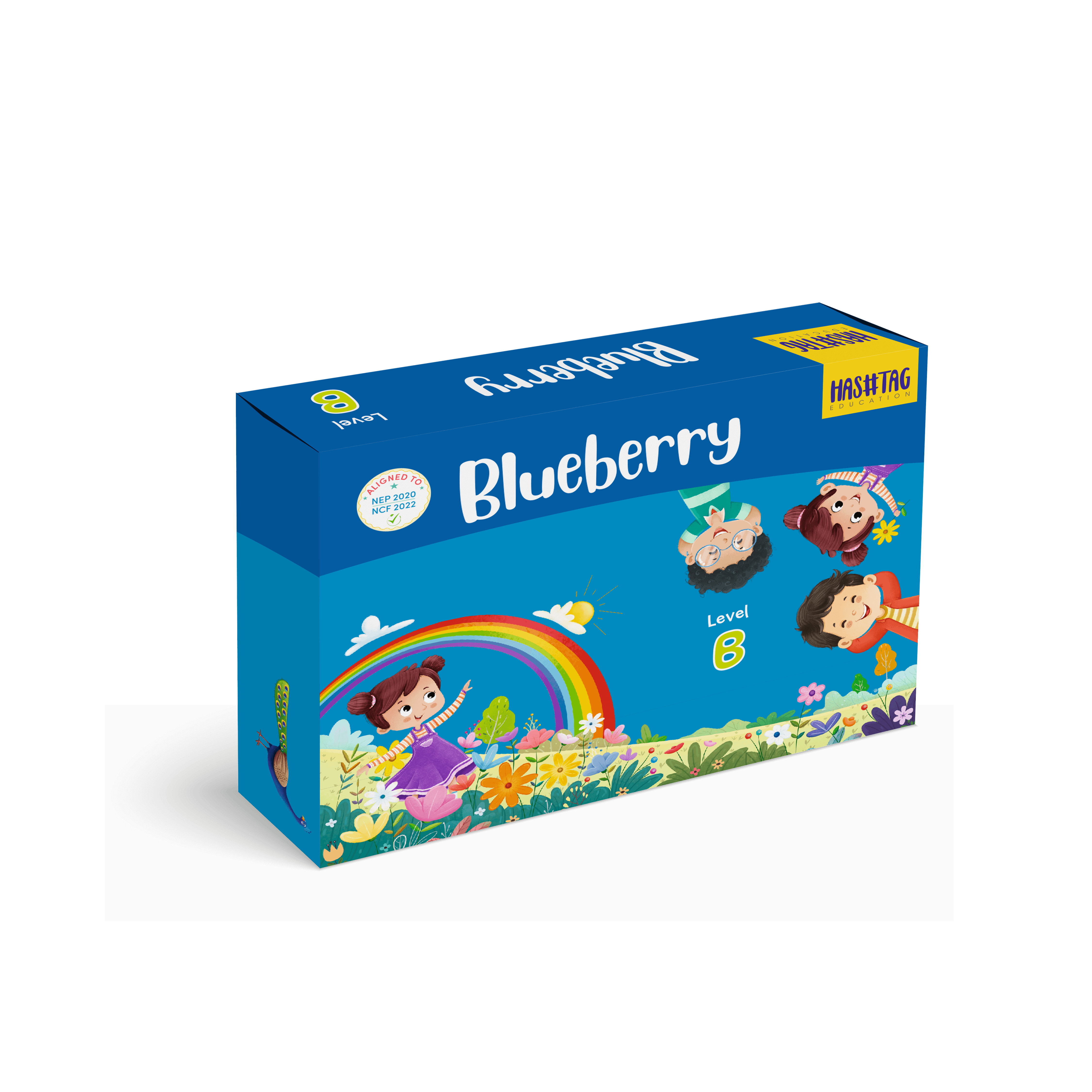
Show grandparents how to use simple educational materials, such as our Blueberry workbooks. Once they understand the approach, they can confidently participate in structured learning activities.
If you liked these activities and tips, explore our online courses!
Nurture curiosity, creativity, and confidence through interactive learning.
👉 Start Learning Today: https://learning.hashtageducation.in/#Go-Learn
6. Teaching Practical Life Skills
Folding clothes, watering plants, sorting vegetables, or organising shelves all build independence and motor development. Grandparents are often the best teachers for these patient, step-by-step activities.
7. Cultural and Festival Learning
Festivals become richer when grandparents explain traditions and meanings. Whether it is Diwali, Eid, Christmas, Pongal, or Navratri, these moments help children understand values, history, and family traditions.
8. Simply Being the Audience
Sometimes, the biggest contribution grandparents make is encouragement. Listening to a child read, watching a dance, or admiring a drawing builds confidence and emotional security.
Bridging the Generation Gap
The biggest challenge in grandparents teaching preschoolers in India is often differing ideas about education. Grandparents may prefer memorisation and writing practice, while parents may prefer play-based learning. Instead of arguing, explain that modern research shows young children learn best through play, conversation, and exploration.
Read Also: 6 Powerful Ways to Stop Math Anxiety in Children Early
Most grandparents respond positively when they understand that play is not wasting time; it is real learning.
The Long-Term Benefit
Children who grow up with involved grandparents often develop stronger emotional intelligence, better communication skills, and a deeper connection to language and culture. Grandparents teaching preschoolers in India is not just about academics. It is about building confident, emotionally secure children who feel connected to their family, traditions, and identity.