LKG Syllabus in India 2026: What Every Parent Should Know
LKG syllabus in India 2026 has shifted noticeably from what most of today's parents remember from their own school days. The focus has moved away from heavy writing and rote learning toward play-based discovery, oral skills, and concept-building. Thanks to NEP 2020 and the Foundational Stage framework, LKG (now part of the Foundational Stage) is treated as the most important year for shaping how a child learns, not just what they learn. Knowing the updated syllabus helps parents support their child without pushing too hard or holding them back.
LKG Syllabus in India 2026: Subjects Covered
Most CBSE and NEP-aligned schools follow a four-subject structure at the LKG level.
English, capital and small letters, phonic sounds, simple two-letter and three-letter words, picture reading
Hindi (or regional language), swar and vyanjan, sound recognition, simple words, oral rhymes
Maths, numbers 1 to 50, before and after, shapes, comparisons, oral counting up to 100
Environmental Studies / General Awareness, family, body parts, colours, fruits, vegetables, animals, transport, festivals
Art, music, and physical activity are woven in daily, not treated as separate exams
Writing is introduced gently. The aim is comfort with the pencil, not perfect handwriting.
If you liked these tips, explore our online courses!
Nurture curiosity, creativity, and confidence through interactive learning.
👉 Start Learning Today: https://learning.hashtageducation.in/#Go-Learn
LKG Books List with Subjects
LKG books list with subjects varies slightly across publishers, but the structure stays consistent.
English book, alphabet practice, phonic stories, picture-based reading
Hindi book, swar, vyanjan, matras (introduced lightly), short rhymes
Maths book, number tracing, counting, shape recognition, basic patterns
EVS book, themes around self, family, surroundings, and seasons
Rhymes book, English and Hindi nursery rhymes
Drawing and colouring book, free expression and fine motor practice
Worksheet folder, light activity-based revision
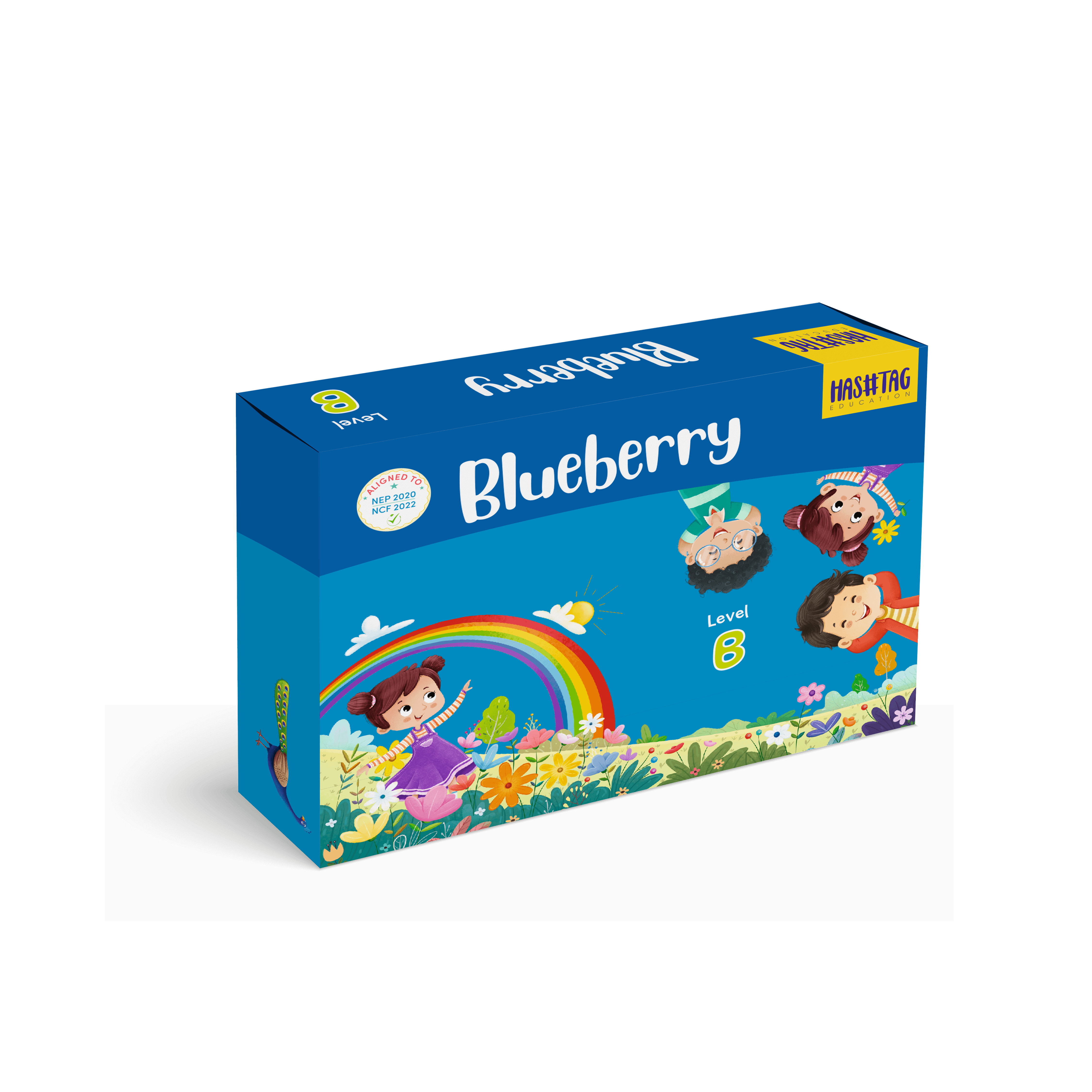
Indian publishers like Hashtag Education, Madhuban, Oxford, and Ratna Sagar offer NEP-aligned LKG books designed around play and activity rather than heavy writing.
Read Also: How to Teach Hindi to Kids at Home: A Practical Guide for Parents
What to Teach LKG Child at Home
What to teach LKG child at home should feel like extension, not extra school. Children this age learn best through conversation, play, and repetition.
Read aloud daily, even ten minutes builds vocabulary fast
Sing rhymes in both English and Hindi, rhythm locks in memory
Count everyday objects, stairs, fruits, vehicles on the road
Talk about colours and shapes during walks and meals
Encourage free drawing, no perfect outlines required
Practice tracing on slate or sand, gentler than constant copy-writing
Avoid worksheets at home unless your child enjoys them. Free play and conversation do more than any printed page.
Shop Now:
👉 Explore Hashtag Education's LKG Foundational Learning Books & Activity Kits
LKG Curriculum NEP 2020
LKG curriculum NEP 2020 sits inside the Foundational Stage (ages 3 to 8). The policy treats these years as the foundation for all future learning. The curriculum focuses on five key areas, physical development, socio-emotional growth, language and literacy, early math, and aesthetic appreciation. Mother tongue is given priority as the medium of instruction wherever possible, and assessments are observation-based rather than test-based.
LKG syllabus in India 2026, in short, is gentler, smarter, and rooted in how young children actually learn. Parents who follow the child's pace, read together daily, and trust the process raise children who genuinely enjoy school instead of fearing it.